Latest posts
-
The Counseling Compact Is Now in 38+ States. Here Is What That Actually Means for Your Practice.
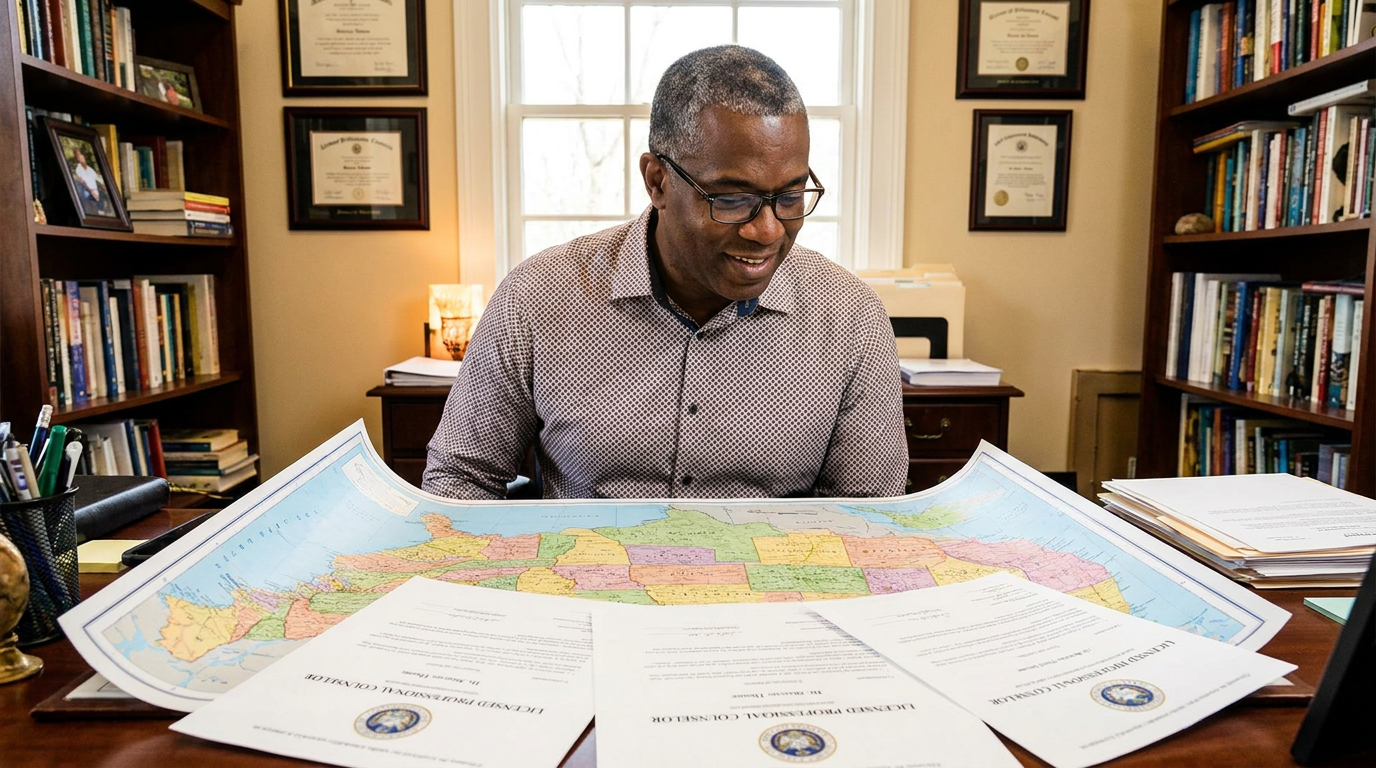
The Counseling Compact, which allows licensed counselors to practice across state lines without going through a full re-licensure process, has now been enacted by 39 member jurisdictions. But enacted and operational are two different things. As of spring 2026, only four states are actually issuing practice privileges under the compact. Here is where things stand…
-
The Federal Loan Change Landing July 1 Could Shrink Your Profession’s Pipeline

Graduate PLUS loans are gone for new borrowers starting July 1. For most counseling master’s programs, federal borrowing caps at $20,500 a year. And federal policy documents specifically name mental health counseling as one of the fields most likely to lose federal loan access entirely under the new accountability rules. If you work in this…
-
73% of School Counselors Say Mental Health Is Central to Their Job. Many Feel Underprepared for It.
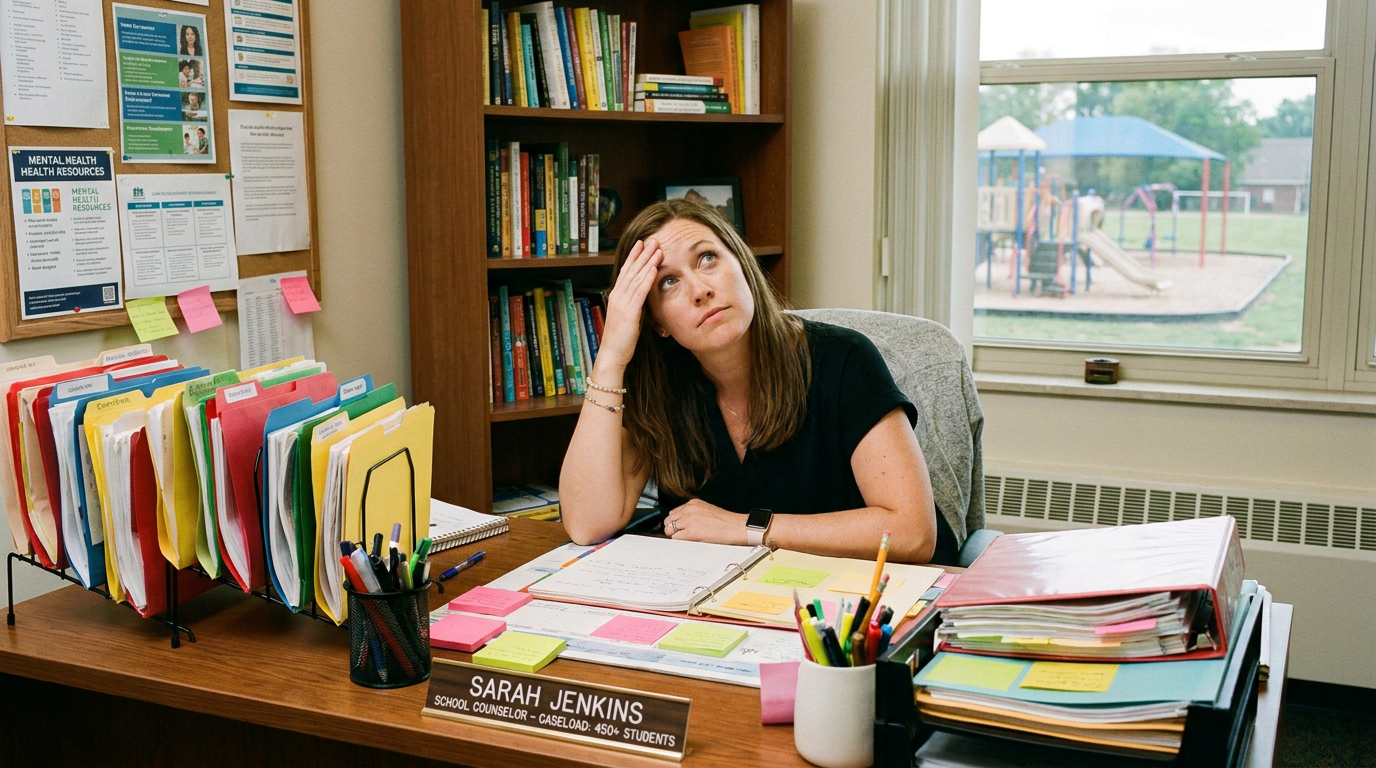
Nearly three-quarters of school counselors report that mental health support is now a major part of their daily work. And a significant share of those same counselors say they feel underprepared to handle the growing complexity of what students are bringing into their offices. This is not a crisis of commitment. It is a crisis…
-
A Bipartisan $300 Million Bill Would Put Mental Health Professionals in Every Public School. It Needs to Hear From You.
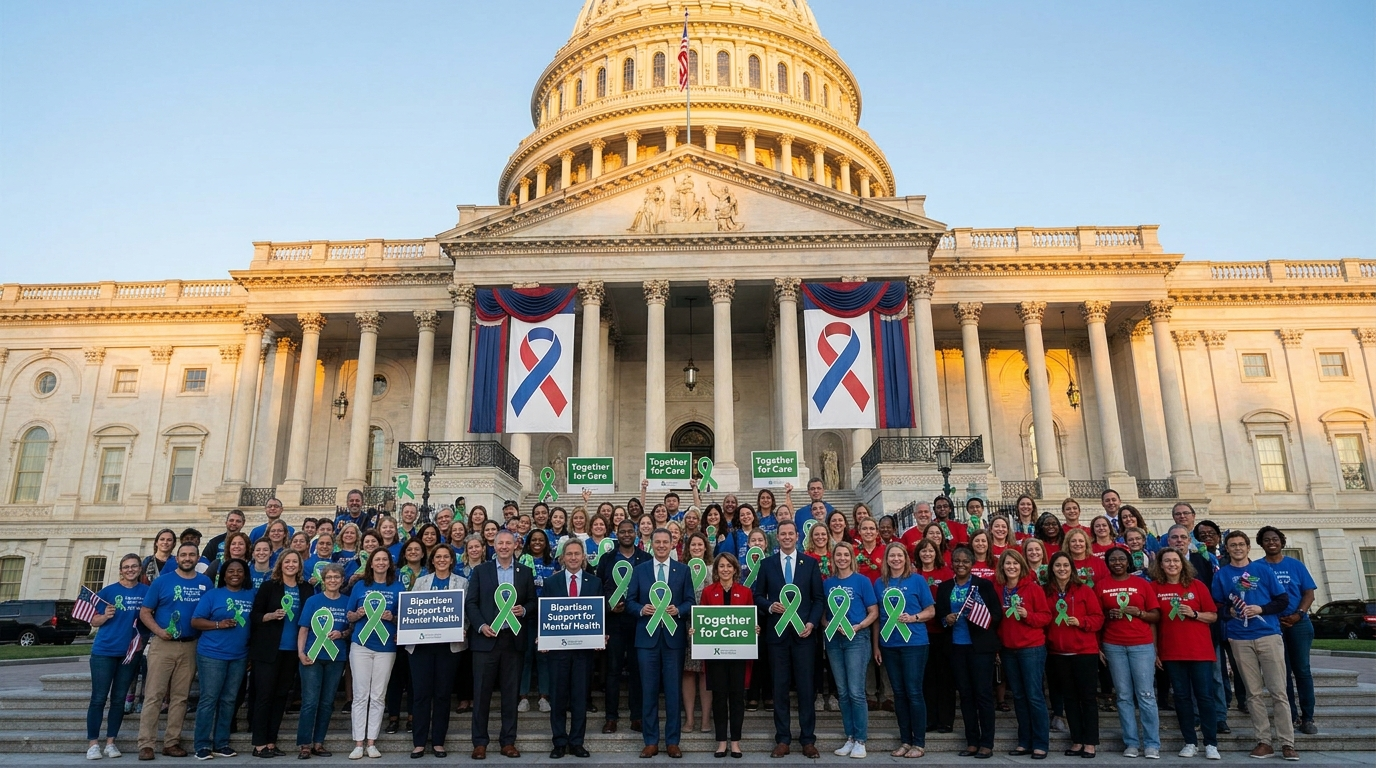
The Mental Health Services for Students Act was reintroduced in 2026 by Representative Andrea Salinas and Representative Brian Fitzpatrick — a bipartisan bill proposing $300 million in federal funding to place licensed mental health professionals in public schools nationwide. It is targeted, it has cross-party support, and it goes nowhere without professional advocacy behind it.
-
College Counseling Centers Are at Capacity. The Numbers Make That Hard to Ignore.
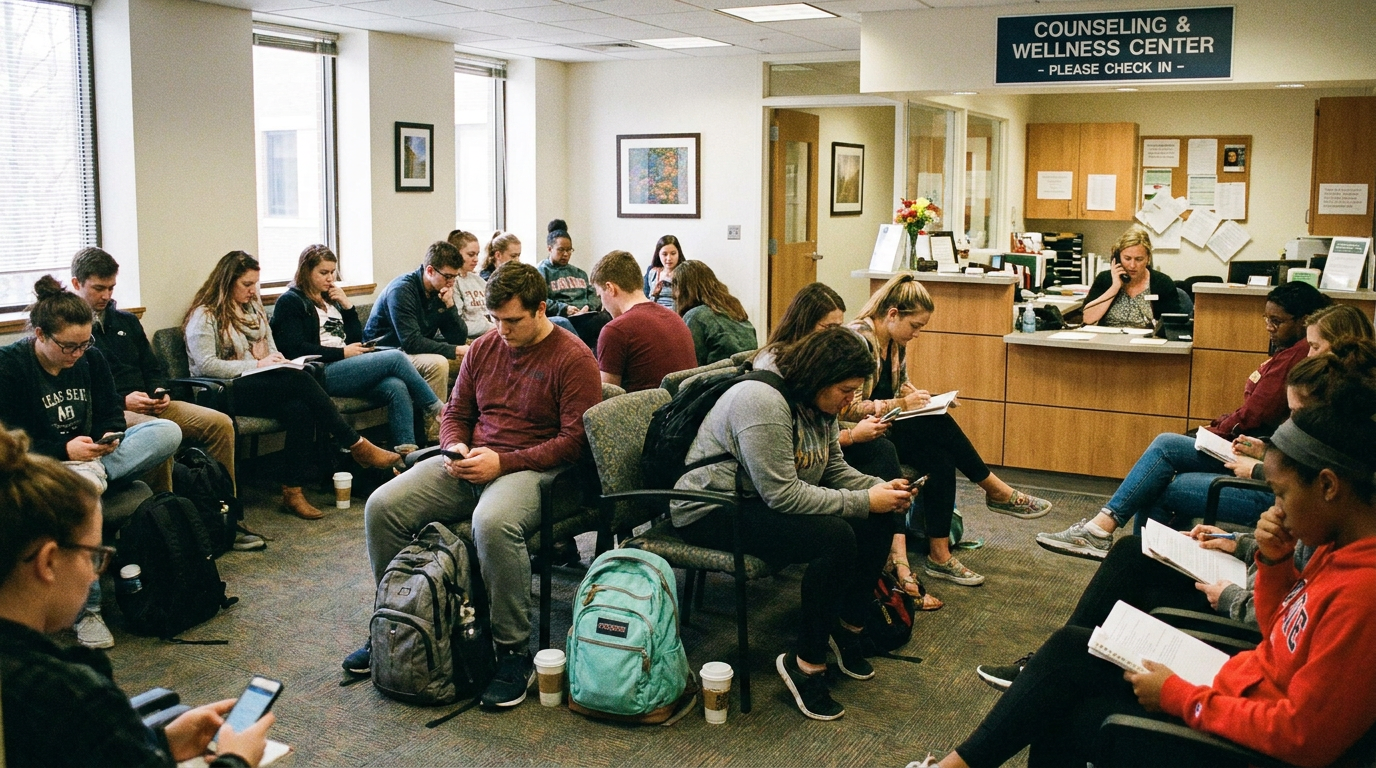
A May 2026 report from Inside Higher Ed documents what counselors working in college and university settings already know firsthand: demand is outpacing what campus mental health programs can deliver. Roughly 80% of college counseling center leaders report staff-to-student ratios of 1 to 500 or higher. Nearly half report ratios of 1 to 1,000 or…
-
AI Is Reshaping More Jobs Than It Is Replacing. Here Is How to Help Clients Navigate That.

The labor market narrative around AI tends to collapse into two camps: AI is taking jobs, or AI is creating jobs. The more useful frame for career counselors — and the one BCG research from 2026 supports — is that AI will reshape more jobs than it replaces. That distinction has real, practical implications for…
-
Telehealth Licensing for Counselors Is Getting More Complicated Before It Gets Simpler

The promise of telehealth for counseling practice — see clients across state lines, expand your reach, practice from anywhere — runs directly into the reality of a still-fragmented licensure system. In 2026, several significant policy changes are reshaping how counselors can practice virtually across borders. Some of it is good news. Some of it is…
-
AI Is Now Reviewing College Applications. Your Clients Need to Know What That Means.
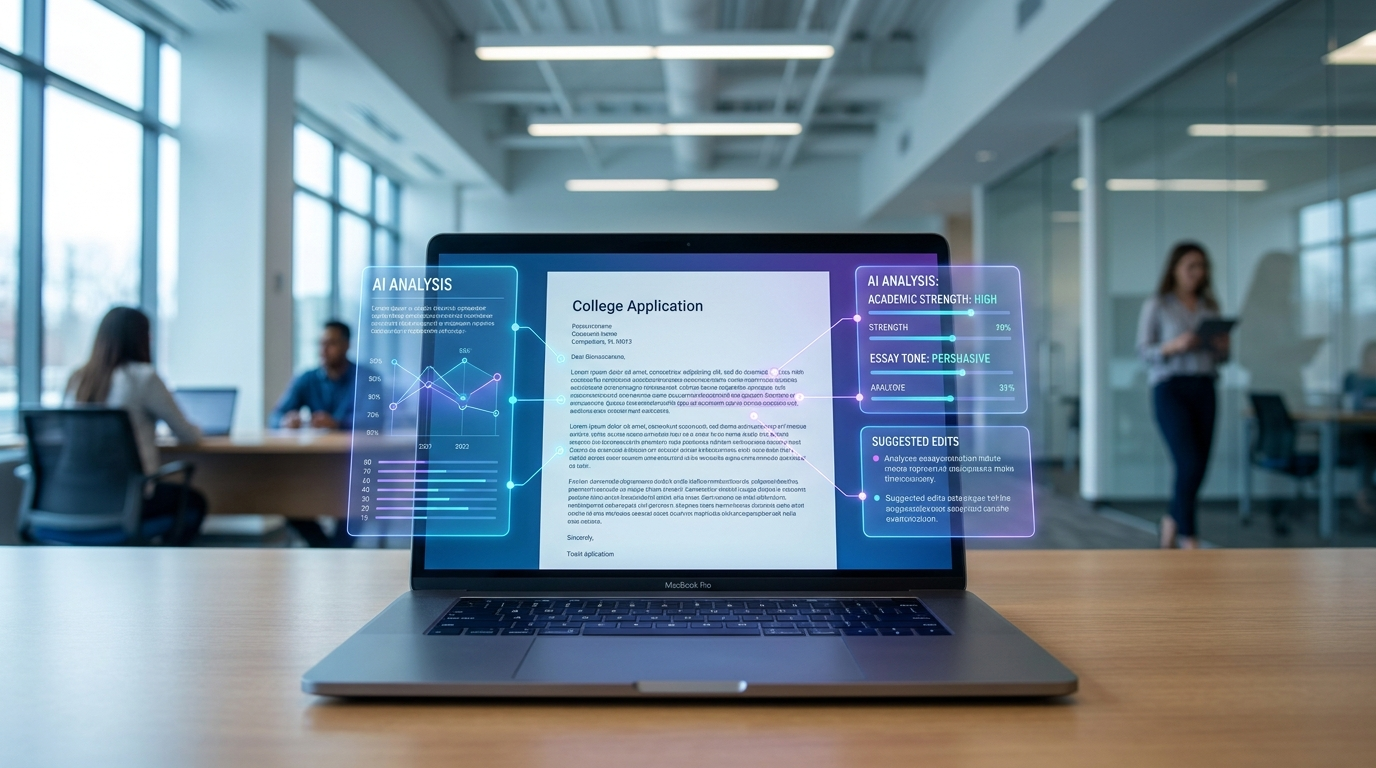
Caltech is interviewing some applicants via AI about their research projects. Virginia Tech is using AI to automatically scan transcripts. Nearly half of all college applicants are already using AI to research, compare, and prepare their applications. The line between AI-assisted and human-reviewed in college admissions is shifting fast, and educational consultants are the professionals…
-
$208 Million in School Mental Health Grants Sounds Like a Win. The Context Tells a Different Story.

The Department of Education announced $208 million in new school mental health grants in late 2025. Some districts welcomed the funding. But the number to hold alongside it is $1 billion: the amount the same administration cut from school-based mental health programs earlier that year, citing diversity, equity, and inclusion concerns. For school counselors and…
-
The Enrollment Cliff Starts Now. What It Means for Educational Consultants.
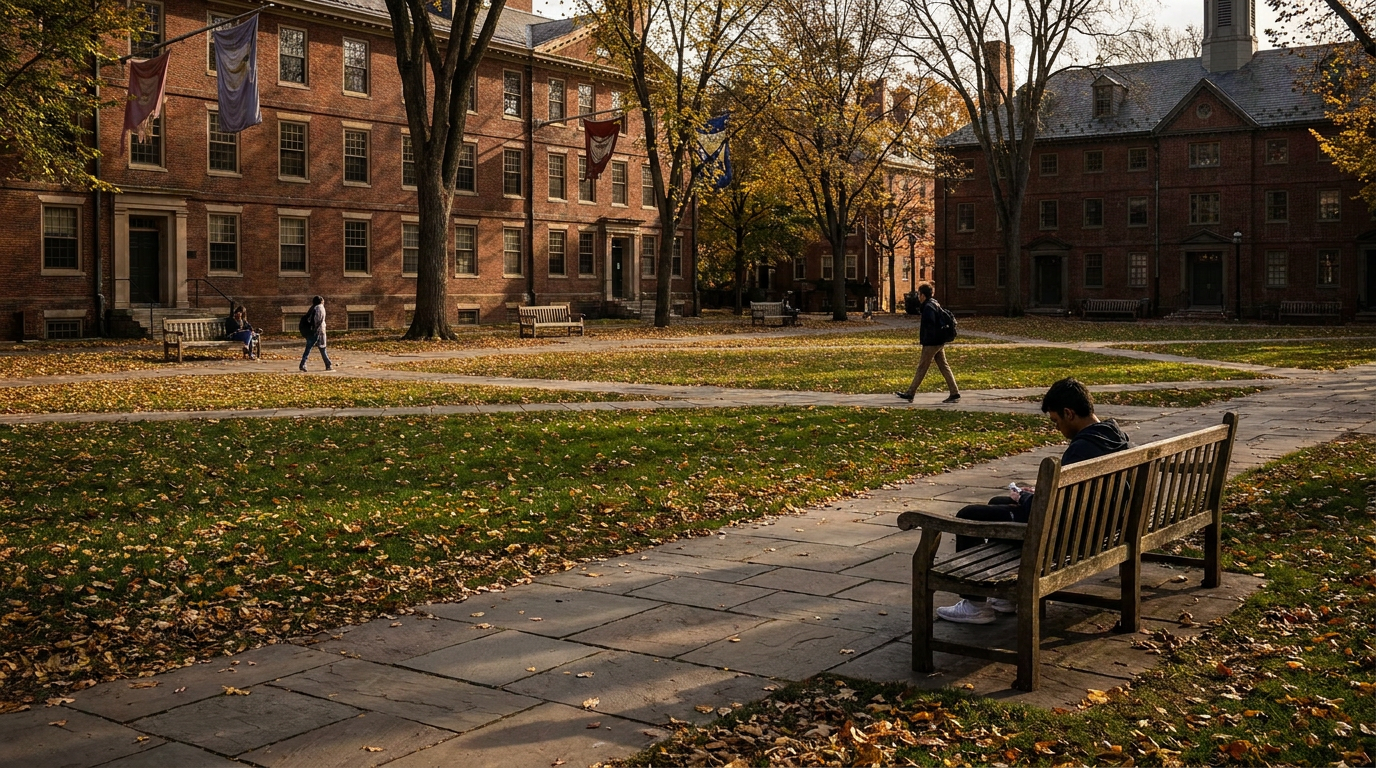
2026 marks the start of a significant drop in the number of 18-year-olds in the United States, a demographic shift that higher education has been bracing for since it was first projected. The college-age population is expected to fall by 15% by 2029. For educational consultants, this is not a background trend — it is…