California’s Legacy Admissions Ban Just Filed Its First Report. Here Is What the Data Shows.

California banned legacy admissions two years ago. Nobody got fined. Nobody got sued. And this summer, for the first time, the state actually finds out whether anyone followed the law.
Assembly Bill 1780 took effect in September 2025, barring private nonprofit colleges in California from giving admissions preference to the children of alumni or major donors. Its enforcement mechanism was never fines. It was disclosure: starting in June 2026, every covered institution has to file an annual compliance report with the California Legislature and the state Department of Justice, and any school found out of compliance gets its name posted publicly on the DOJ’s website. That reporting window opened this summer. If you advise families in California, or anywhere legacy admissions still shapes a college list, the first real data point in this experiment just landed on your desk.
The Law Was Built to Shame, Not to Fine
Assemblymember Phil Ting wrote AB 1780 after his first attempt, in 2019, went nowhere in the wake of the Varsity Blues scandal. The 2024 version passed with a specific compromise: lawmakers dropped the financial penalties private colleges lobbied against, leaving only the reporting requirement and public disclosure as consequences. “This country is supposed to be a meritocracy,” Ting said when Governor Newsom signed the bill. “Students who already have every advantage should not be taking spots away from students who’ve worked extra hard to get there.”
The design is deliberate. Schools self-report their own numbers. There is no audit. There is no fine. The only cost of noncompliance is a line item on a government website that almost none of your clients will ever read.
Whether that is enough pressure to change behavior is exactly the question this year’s filings are supposed to answer.
The Baseline You Should Actually Be Citing
Before this year’s reports are analyzed, it is worth knowing what the last round of self-reported numbers looked like, because they are the baseline every future filing gets measured against. In fall 2023, the University of Southern California admitted 1,791 students with alumni or donor connections out of roughly 80,000 applicants and an estimated 8,200 total admits. Stanford admitted 295. Santa Clara University admitted 38, down sharply from 1,133 the year before.
Those numbers matter for a conversation you are probably already having. A first-generation student’s family hears “legacy admissions is banned” and assumes the playing field is now level. It is not. USC’s 8,200 admitted spots were never going to be reshuffled by a few hundred legacy seats disappearing.
“It’s not going to have as big an impact as people think it will. It’s more symbolic. It might open up a few spots for regular students, but it won’t completely change the landscape.” Julio Mata, President, Western Association for College Admission Counseling (2024)
What Your Clients Need to Hear From You, Not From a Headline
Families read “ban” and hear “gone.” Your job this admissions season is to correct that gently, before a student builds a college list on a false premise. The law changes an input, not the process. Selective private schools still weigh a holistic mix of academics, essays, activities, and institutional need, and legacy was always one factor among many rather than a reserved seat.
That does not make the law meaningless. It makes it a disclosure tool, and disclosure tools are only as useful as the people willing to read them. This is where a practitioner has actual leverage that a headline does not: you can pull a target school’s filing, compare it to last year’s baseline, and give a family a specific, honest answer instead of a vibe.
Adrian Navarro, a college and career advisor at Oakland Technical High School, put it plainly when the law passed:
“Anything that opens up opportunities for our students, for different communities, is great.” Adrian Navarro, College and Career Advisor, Oakland Technical High School (2024)
Notice what he did not say. He did not say it fixes admissions. He said it opens something up, which is a much more honest way to set a family’s expectations, and a better model for how you should frame it too.
Not Everyone Agrees the Law Should Exist
Stanford law professor Rick Banks, founder of the Stanford Center for Racial Justice, supports the underlying critique of legacy admissions and still opposes the law. His argument: legacy preferences are tied to the fundraising model private universities depend on, and a disclosure-only statute with no enforcement teeth does not change that calculation. It mostly generates paperwork and, occasionally, embarrassment.
He may be right about the mechanism. He is very likely wrong that the disclosure is worthless. Public pressure has moved institutions before, and a school named on a state DOJ list in a year when its own board is fielding donor complaints about enrollment or budget is not in the same position as a school with nothing to lose.
What to Do With This Before Fall Applications
Watch for this year’s filings and the DOJ’s public list as they come out. When they do, pull the numbers for any school on your clients’ lists and use them the way you would use a graduation rate or a financial aid statistic: as one honest data point, not a verdict. Tell families plainly that the ban narrows one advantage without leveling the field, and that the real leverage in this admissions cycle still comes from the application itself.
The law did not end legacy admissions. It ended the silence around them. That is a smaller win than the headline suggested, and still a real one. Use it.
Sources
- California Becomes Fifth State to Ban Legacy Admissions — Steptoe, October 2024
- California Banned College Legacy Admissions. Will It Change Who Gets In? — CalMatters, October 2024
- California Bans Legacy and Donor Preferences in Admissions at Private, Nonprofit Universities — Office of Governor Gavin Newsom, September 2024
- Virginia Has Banned Legacy Admissions at Its Public Colleges — NPR, March 2024
- A Look at 5 States Weighing Legacy Admissions Bans — Higher Ed Dive, 2024
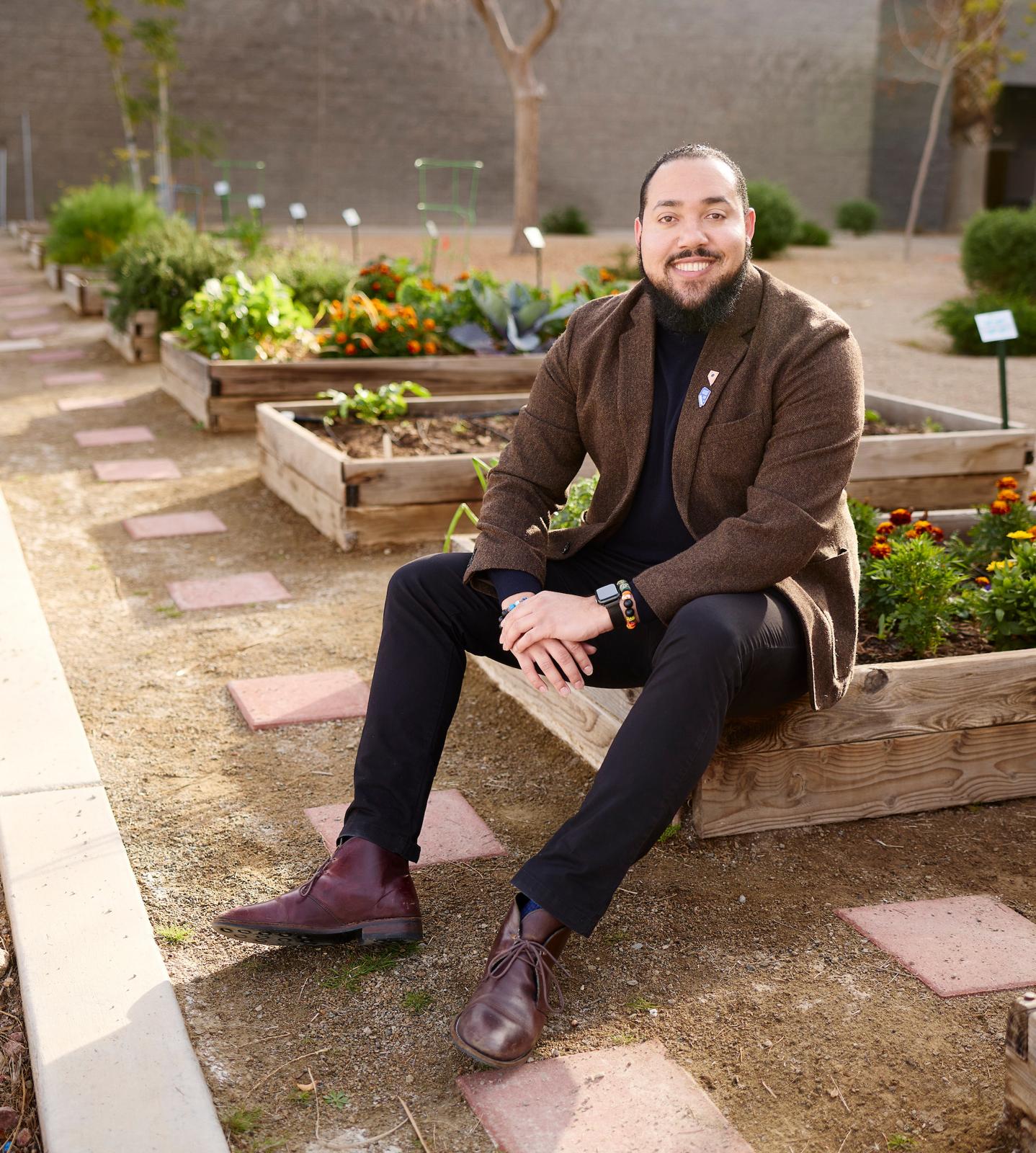
Brent Florence
Licensed Counselor & Educational Consultant